Estimated Read Time: 4-6 Minutes
Key Takeaways From This Article:
- Whether A Texas Family Needs Probate Depends On Three Key Factors: Family Structure, What The Will Actually Says About Distribution, And Whether Financial Accounts Already Have Named Beneficiaries That Allow Assets To Transfer Without Court Involvement.
- Blended Families That Skip Probate Often Create A Worse Problem Than The One They Were Trying To Avoid, Because The Surviving Spouse Can End Up As A Forced Co-Owner Of Property With The Deceased Spouse’s Children From A Prior Relationship.
- Texas Law Provides An Alternative To Full Probate Called An Affidavit Of Heirship, Which Allows Traditional Families With Equally Distributed Estates To Transfer Title On Homes, Land, Vehicles, And Mobile Homes Without Ever Going To Court, Potentially Saving Families Thousands Of Dollars.
- Texas Has A Hard Four-Year Deadline To Probate A Will From The Date Of Death, After Which The Will Becomes Legally Worthless And Cannot Be Admitted To Probate At All, A Fact Many Families Discover Too Late When They Attempt To Transfer Title At A Title Company.
Silverleaf Legal Is Here To Serve Every Family, No Matter The Shape Or Size. When It Comes To Estate Planning, Our Dedicated Team Focuses On Your Unique Goals, Helping You Create A Plan That Protects Your Loved Ones And Preserves Your Legacy. At Silverleaf Legal, We Guide You Through The Process With Care, Clarity, And A Commitment To Eliminating Unnecessary Stress, Empowering You To Turn Over A New Leaf For Your Family’s Future.
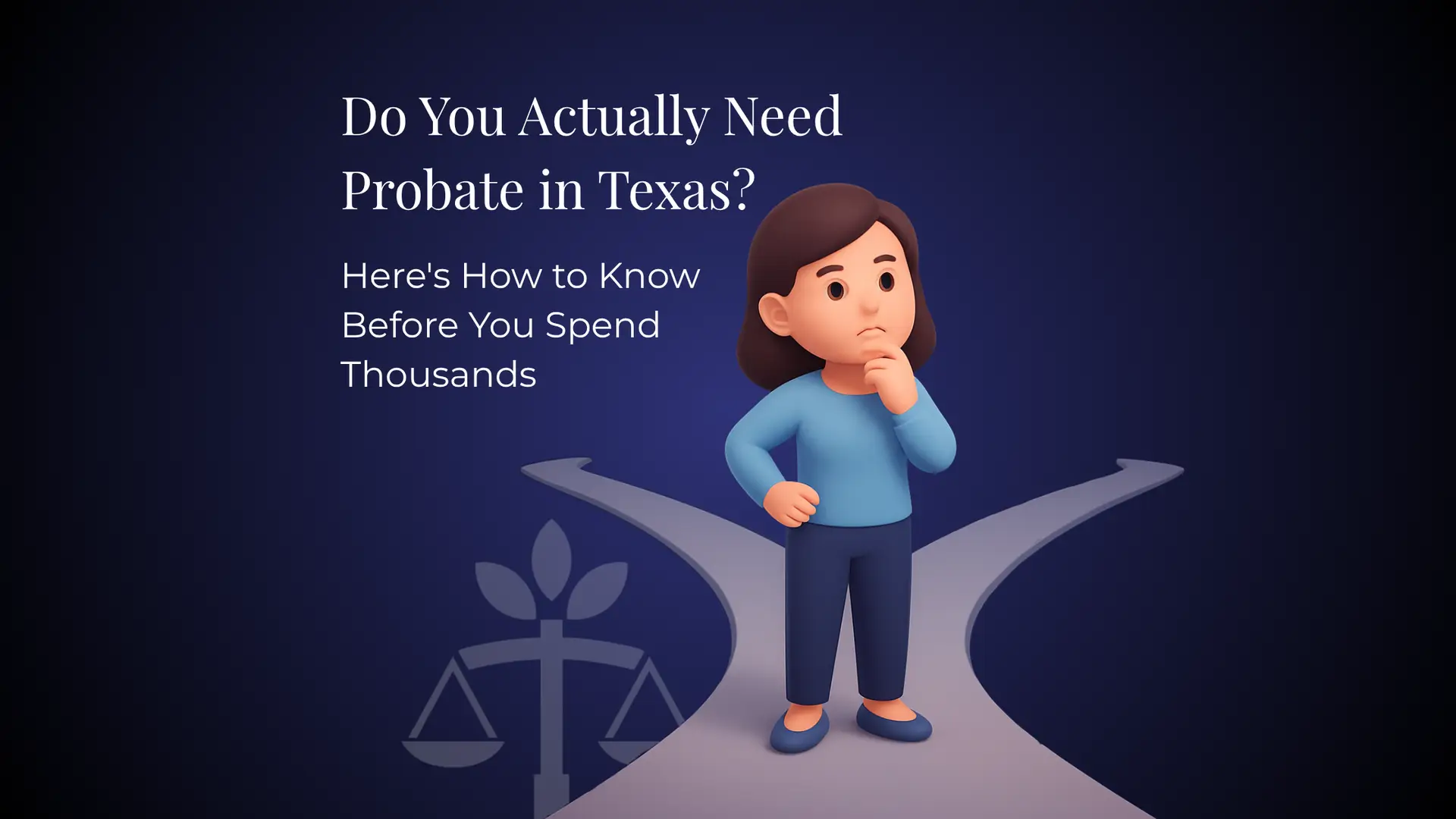
Most families assume that if there’s a will, they automatically need probate in Texas—but that’s not always true.
As an estate planning and probate attorney in Texas for nearly 20 years, I’ve seen families spend thousands of dollars and months of time navigating probate when they didn’t have to. In many cases, I’ve helped clients save significant time and money simply by recognizing when probate isn’t necessary.
Before you start the probate process, there are three key questions to ask yourself. And if you do end up needing to probate a will, there’s a critical four-year deadline you can’t afford to miss.
1. What Type of Family Are You: Leave It to Beaver or Brady Bunch?
Let’s start with family structure.
A “Leave It to Beaver” family is what I call a traditional family — mom and dad are married, and all of the children come from that same marriage.
A “Brady Bunch” family is a blended family, meaning at least one child is from a prior relationship.
If you’re a Leave It to Beaver family, you might not need probate at all.
But if you’re a Brady Bunch family, probate is almost always required.
Here’s why: when a blended family skips probate, the surviving spouse often ends up co-owning property with the deceased spouse’s children. That creates legal and financial headaches that can be avoided through probate.
2. What Does the Will Actually Say?
The next thing to look at is who benefits from the will.
If the will says that “all children take equally,” you may be able to avoid probate. But if it says anything else, you’re headed to probate court.
For example, probate is required if the will leaves:
Unequal distributions (e.g., one asset to one child, another to a different child)
Gifts to grandchildren, nieces, nephews, or friends
In short, anything other than all kids taking equally means you’ll need to probate.
3. What Assets Are in the Estate?
The third question is about what’s actually in the estate.
If all the financial accounts (like checking, savings, or CDs) already have beneficiary designations, the family may not need probate. The financial institutions can release those funds directly to the named beneficiaries.
However, if the only assets are real estate, mobile homes, or vehicles, you may still be able to skip probate. That’s because Texas law provides an alternative called an Affidavit of Heirship.
What’s an Affidavit of Heirship?
In a Leave It to Beaver family, Texas Estates Code says:
When dad dies, everything goes to mom.
When mom dies, everything goes to dad.
When both are gone, everything passes equally to the kids.
Because of that, a probate attorney can use an Affidavit of Heirship to transfer title without ever setting foot in court.
Title companies, the Texas Department of Housing, and the Texas Department of Motor Vehicles all recognize this document as proof of ownership transfer. That means you can legally transfer title to:
Homes and land
Manufactured or mobile homes
Vehicles
This process saves families thousands compared to full probate.
When Probate Is Required
Even if your family is traditional and the will splits assets equally, probate becomes necessary when there’s an asset without a beneficiary — like a bank CD, investment account, or life insurance policy that lists no one to receive the funds.
Financial institutions require a court-stamped document (called Letters Testamentary or Letters of Administration) before releasing those funds. They only want to write that check once, and they need the court’s assurance that they’re paying the right person.
So, if you have any assets stuck at a bank or financial institution without a beneficiary, you’ll need to go through probate.
The 4-Year Deadline to Probate a Will in Texas
Here’s a critical piece most families don’t realize:
You only have four years from the date of death to probate a will in Texas.
If you wait longer than that, the will becomes legally worthless—it can’t be probated at all. I see families discover this too late at title companies all the time, and it can cost them dearly.
How to Find Out If You Actually Need Probate
Whether you’re a Leave It to Beaver or a Brady Bunch family, don’t guess. A small detail can make a big difference in what process you need to follow.
At Silverleaf Legal, our team can review your situation and tell you in less than 15 minutes whether you need probate—and we don’t charge for that initial review.
If you’re not sure whether you need probate in Texas, contact us today.
We’ll help you determine the right path forward and save you time, stress, and unnecessary expenses.
🕑 Ready to Find Out If You Need Probate?
Not Necessarily. If You Are In A Traditional Family Where All Children Come From Your Marriage And The Will Distributes Assets Equally, You May Be Able To Use An Affidavit Of Heirship To Transfer Property Without Probate. However, If Any Financial Accounts Lack A Named Beneficiary, If The Will Leaves Assets Unequally, Or If Any Gifts Go To Grandchildren Or Others Outside The Immediate Family, Probate Will Be Required. The Safest Move Is To Have An Attorney Review The Specific Situation Before Assuming Either Way.
Once Four Years Have Passed From The Date Of Death, The Will Can No Longer Be Admitted To Probate In Texas And Is Legally Unenforceable For That Purpose. The Estate Would Then Have To Be Handled As If The Person Died Without A Will, Which Means Assets Distribute According To Texas Intestacy Laws Rather Than The Deceased’s Expressed Wishes. This Situation Frequently Creates Unintended Outcomes For Blended Families And Anyone Whose Will Made Distributions Outside The Default Intestacy Formula.
Yes. Financial Institutions Will Only Release Funds From Accounts Without Named Beneficiaries After Receiving A Court-Stamped Document Called Letters Testamentary Or Letters Of Administration, Which Confirms Who Has Legal Authority To Collect Those Funds. Banks Take This Position Because They Need Court Assurance That They Are Paying The Right Person And Will Not Face Liability For Releasing Funds Incorrectly. Accounts That Already Have Named Beneficiaries On File Transfer Directly Without Any Court Involvement, Which Is Why Keeping Beneficiary Designations Current Is One Of The Most Practical Things You Can Do During Your Lifetime.